 CN
CN
 EN
EN
Product Overview
Juchen Fiber Optic Seat Collaboration System employs blockchain-like technology to deliver features including all-optical KVM seat collaboration, remote control collaboration, large-screen push, and scene rotation. Combining multiple advantages such as light-speed transmission with zero latency, pristine image quality reproduction, efficient and stable operation, secure data transmission, and scalability, it provides integrated solutions for seat collaboration management and display control to centralized control centers.
Solution Architecture

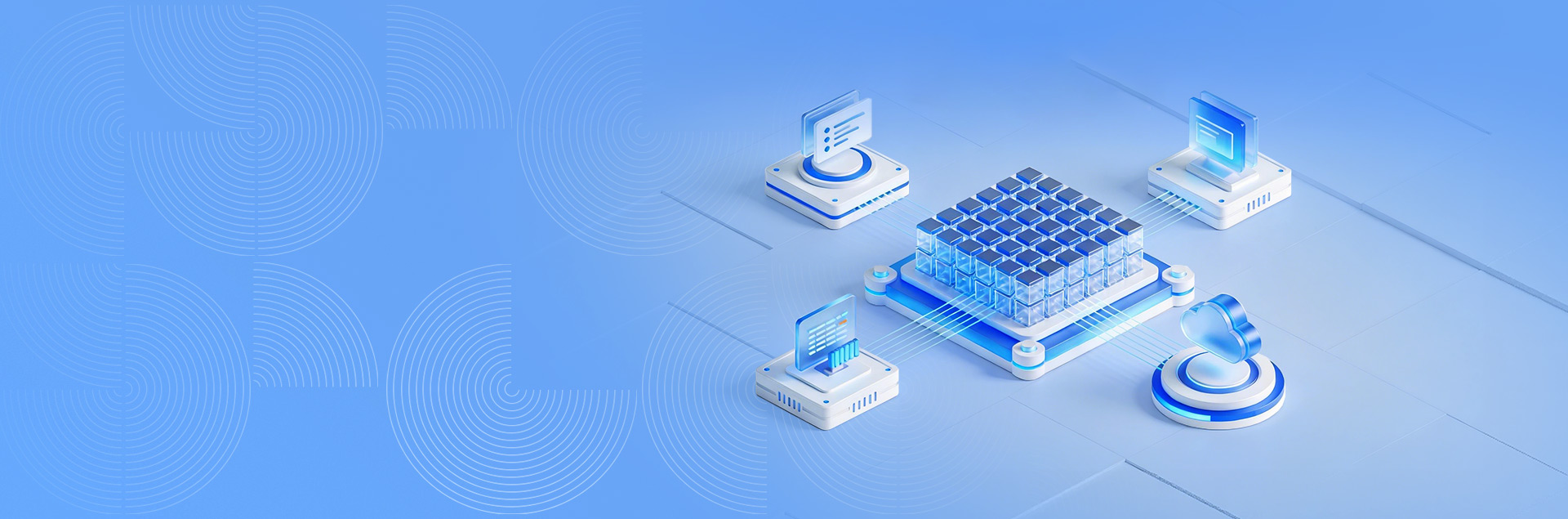
Fiber optic seat host collaboration host: performs all-optical processing on audio, video, and keyboard/mouse signals to achieve lossless transmission of images, audio, and control signals between image resources, application systems, and control/display systems located in different locations.

Seat display end fiber optic seat output node: All seat displays connected to the centralized control center are connected to the fiber optic seat output node for computer screen display control and remote takeover calls.

Signal acquisition end fiber optic seat input node: Connect all computer/workstation hosts and other types of signal source equipment in the centralized control center, and connect all types of signal sources to the fiber optic seat input node.

Control management software: Unified operation and maintenance management for all video source access output terminals and users.


Product Features
Remote KVM agent scheduling
Through a distributed non-IP pure fiber-optic visual collaboration system, operational workstations can be deployed separately from business computer hosts. Various hosts can be centrally located in server rooms for unified management, achieving separation of personnel and equipment.

OSD menu operation

Visual signal takeover
Monitor and call multiple business system hosts, and the scheduling operation seat can first view all signal source screens, while supporting visual push between seats.

Mouse keyboard cross screen operation
Can manage and control all screens of the seating end through a set of mouse and keyboard, achieving cross screen and roaming between the mouse and keyboard. The seating end can easily realize the application scenario of multi screen display operation.

Seat split screen

Rights Management
The seating end of the distributed system allocates permissions through accounts, and the system supports the issuance and retrieval of group and hierarchical permissions.

Seat and large screen linkage

Product Advantages

Light speed transmission without delay

Stable operation
Adopts a pure fiber matrix architecture, where each signal is exclusively dedicated to a channel, rather than based on packet switching. Under no circumstances will it cause congestion or packet loss in the switching link, nor will it cause network paralysis due to excessive data volume, making data transmission more reliable.

Original image quality
Adopting a pure fiber matrix architecture, each signal channel has a dedicated bandwidth of up to 12G, resulting in clear and delicate display quality without any frame loss or screen flickering.

Data security
Customer Case